
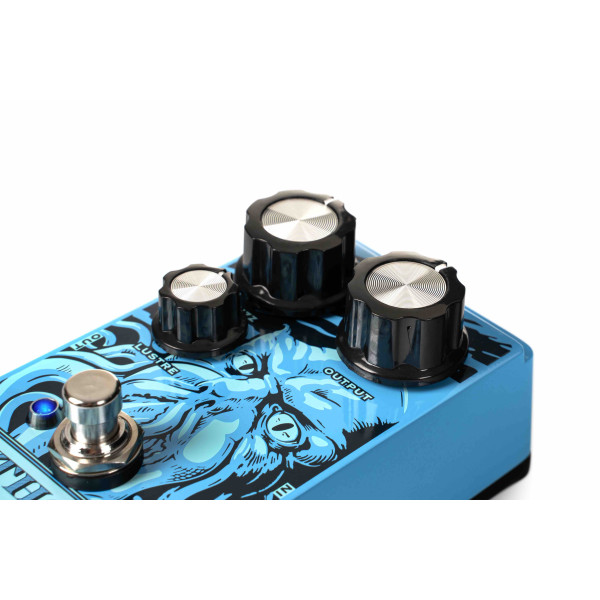
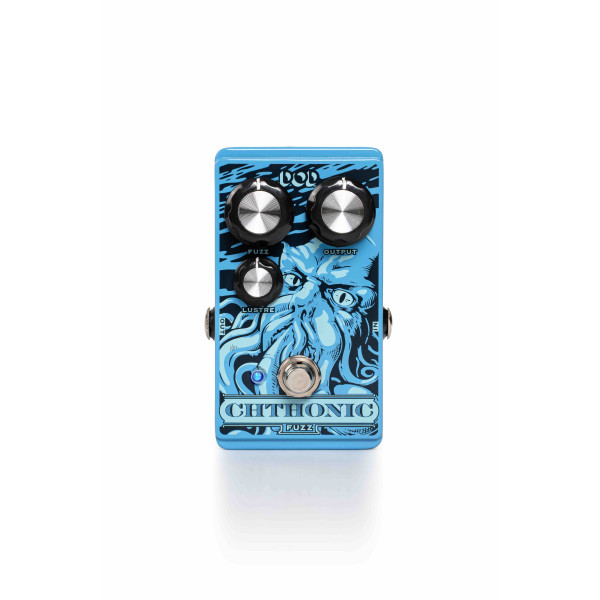
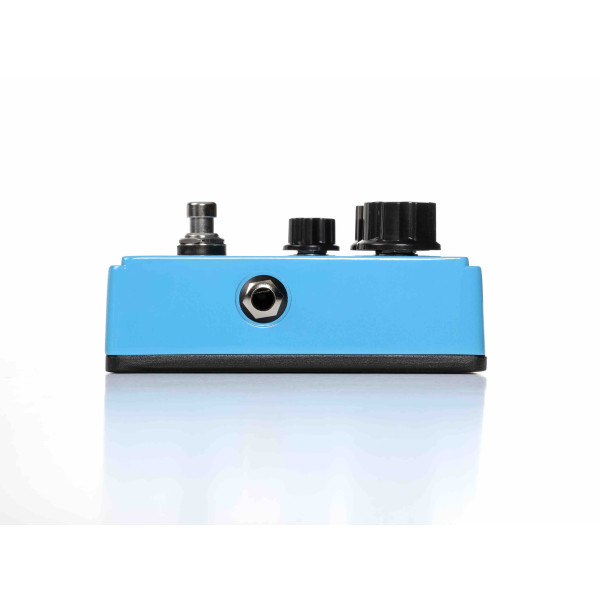
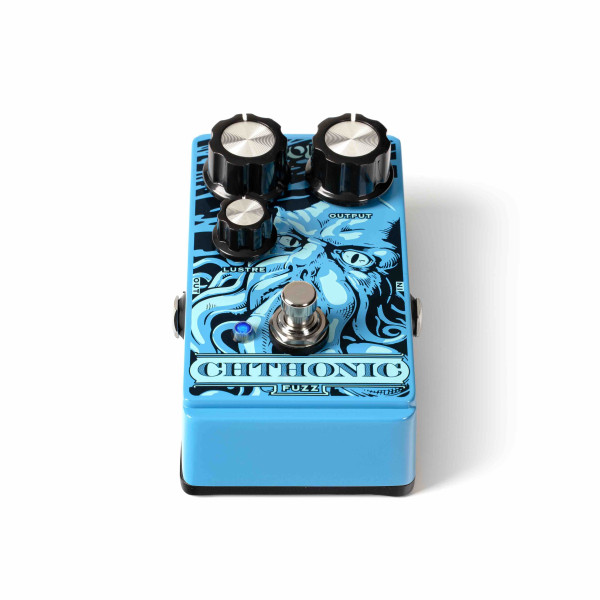
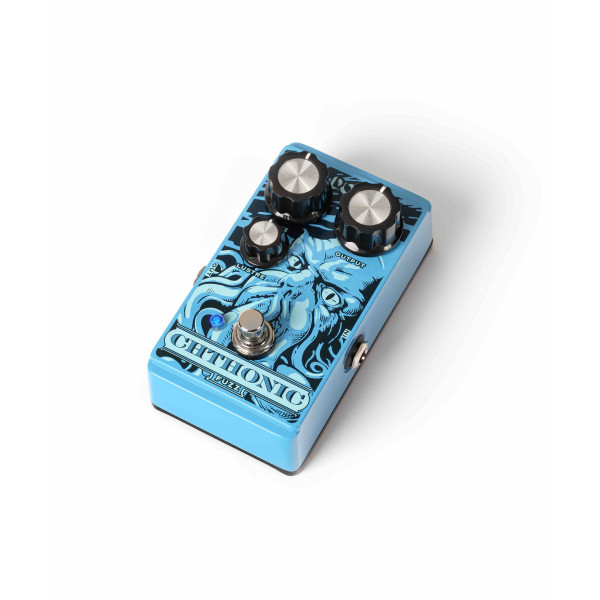
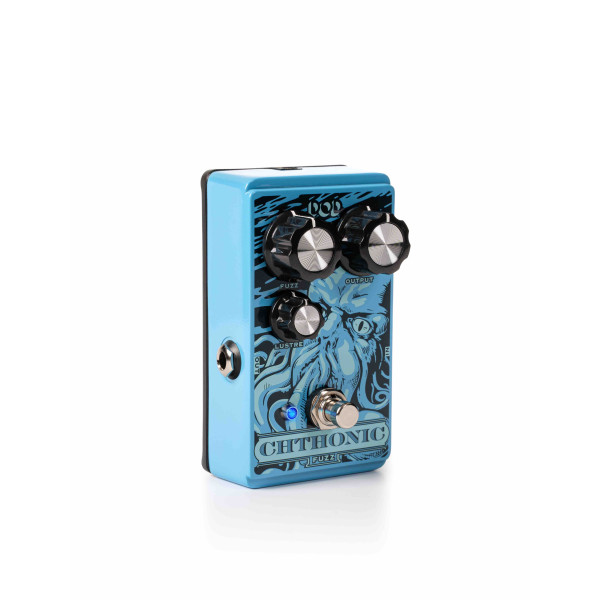
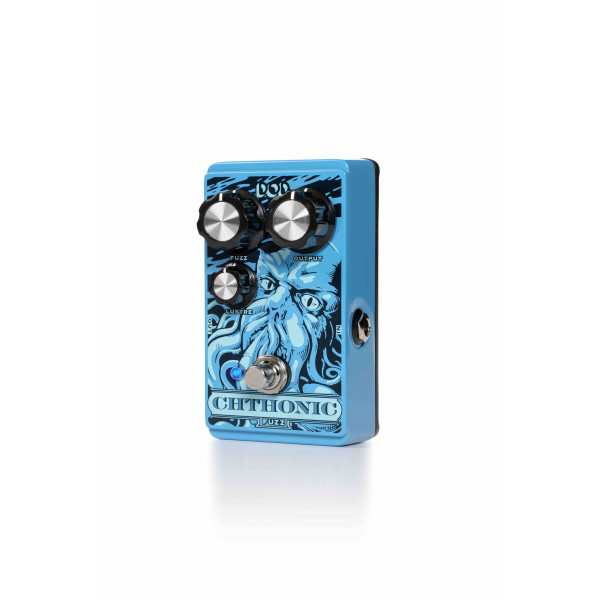
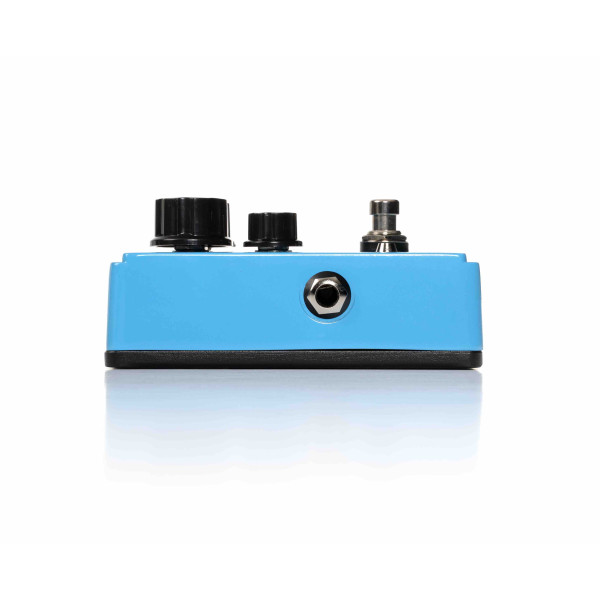
DIGITECH DOD Chthonic Fuzz..
1 750 SEK
*** Denna produkt finns än så länge bara för köp online eller beställning i butik
- Betala säkert med kort
- Maila oss, vi svarar snabbt!
- SkickNy
Beskrivning
Art.nr: 191014
DOD Chthonic Fuzz: Unleash the Darkness in Your Tone
Fat, Corpulent Fuzz Tones for Bright Guitars
The DOD Chthonic Fuzz (pronounced THAH-nik) is meticulously crafted to deliver thick, sludgy fuzz tones that are perfect for single-coil, P90, gold-foil, and DeArmond pickups. Designed with brighter guitars and clean amplifiers in mind, the Chthonic Fuzz provides a rich sonic palette for players looking to explore dark and earthy tones.
Key Features:
Classic Circuit Design:
Rooted in a beloved single-knob fuzz circuit from the ‘70s, the Chthonic incorporates a subtle tone control (Lustre) and a separate gain control (Fuzz), allowing for a straightforward yet versatile sound. This design yields a unique character that’s both dark and captivating.
Transistor Clipping:
Utilizing a pair of 2N2222 transistors, the Chthonic Fuzz offers authentic transistor clipping, providing a classic fuzz experience. The pedal’s sensitivity allows for effective cleanup by adjusting the guitar's volume knob, enabling you to transition from a powerful fuzz to a warm overdrive easily.
Artistic Design:
The Chthonic Fuzz features striking Kraken/Cthulhu graphics, designed by the same artist behind the Carcosa Fuzz art, reinforcing its place as a psychotic, dark companion in the realm of fuzz pedals.
Interactive Dynamics:
Designed to be the first pedal in your chain, the Chthonic Fuzz interacts beautifully with your guitar pickups and volume control. By slightly rolling back the guitar volume, you can achieve rich overdrive tones, while turning it down to 5 provides sparkling clean sounds.
Optimal Setup:
Placement:
Position the Chthonic Fuzz at the beginning of your pedal chain for optimal interaction. Avoid placing any buffers or other pedals before it, as they can affect the tonal response.
Initial Settings:
Start with all controls set at 12:00 (midpoint). Adjust the Fuzz and Lustre controls based on your playing style and the output level of your instrument.
Fine-Tuning:
If the result is too extreme, reduce the Fuzz and Lustre settings. The overall tone will depend on your guitar’s output level, amp, and individual playing style.